

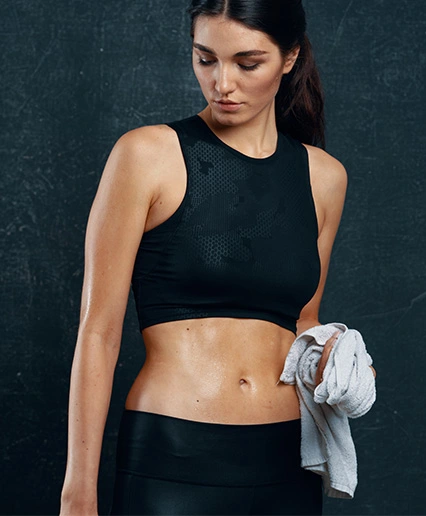
The major advantage of fat grafting over fillers such as Restylane®, Juvéderm®, and Sculptra® is longevity and natural feel. In many cases, grafted fat will likely last a lifetime, whereas fillers typically last from 6 months to 2 years. Fat grafting can also be used in many different areas of the body (whereas these uses for dermal fillers are considered off-label) like the breasts, buttocks, and face. This can help accentuate your figure without the need for implants or more invasive surgeries.
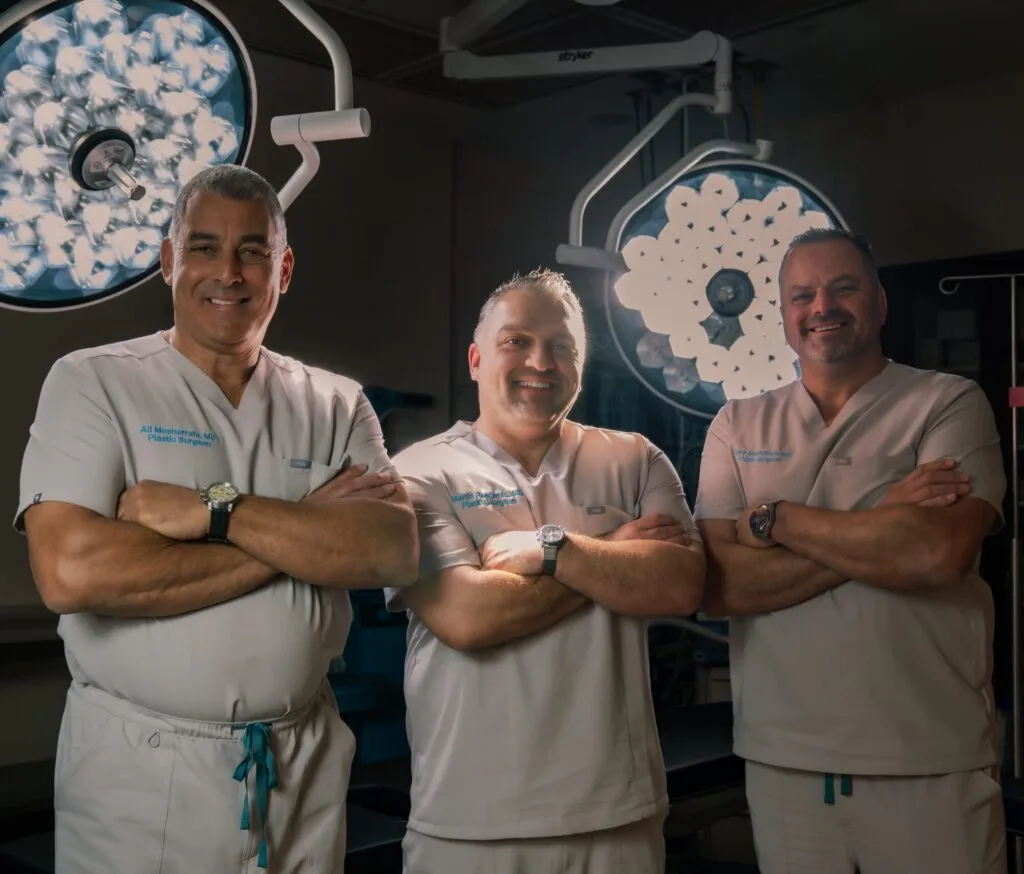
The best candidates for fat grafting have pockets of stubborn fat that have sufficient volume to supplement the recipient site. Additionally, you should be in overall good health and be able to undergo a minimally invasive procedure. Dr. Ali Mosharrafa and Dr. Tamir Mosharrafa can discuss your best options for body contouring during a consultation at our Phoenix office.
There are many ways that fat transfer can be used, but there are some common areas that benefit from fat grafting. Each procedure begins with a collection process using liposuction, after which the fat is prepared and injected into the augmentation area.
Although breast augmentation with implants is the more popular procedure, breast augmentation with fat grafting (sometimes called natural breast augmentation) can be an effective way to enhance the breasts for women who want to avoid implants. For this procedure, a significant amount of fat is required to augment the breasts.
Dermal fillers are one of the most popular options for lip augmentation, but some patients benefit from long-term results with fat grafting to the lips. This can provide soft, natural-feeling results versus fillers which can sometimes be palpable with the wrong application.
This is the second time I have had surgery performed by Dr. Mosharrafa. He is an excellent doctor and makes one feel like you’re his only patient I highly recommend him to anyone who is seeking a reputable plastic surgeon.
Because liposuction is used, fat grafting requires only a few days of downtime. During the first few days, you can expect some swelling and bruising. You should wear a compression garment on your incision area to help manage swelling and help the skin adhere to the new contours. You will be prescribed medication to help reduce discomfort, but can generally return to your regular schedule within a week. Your final results will begin to emerge over the course of the following months as the swelling subsides and your new contours settle in.

